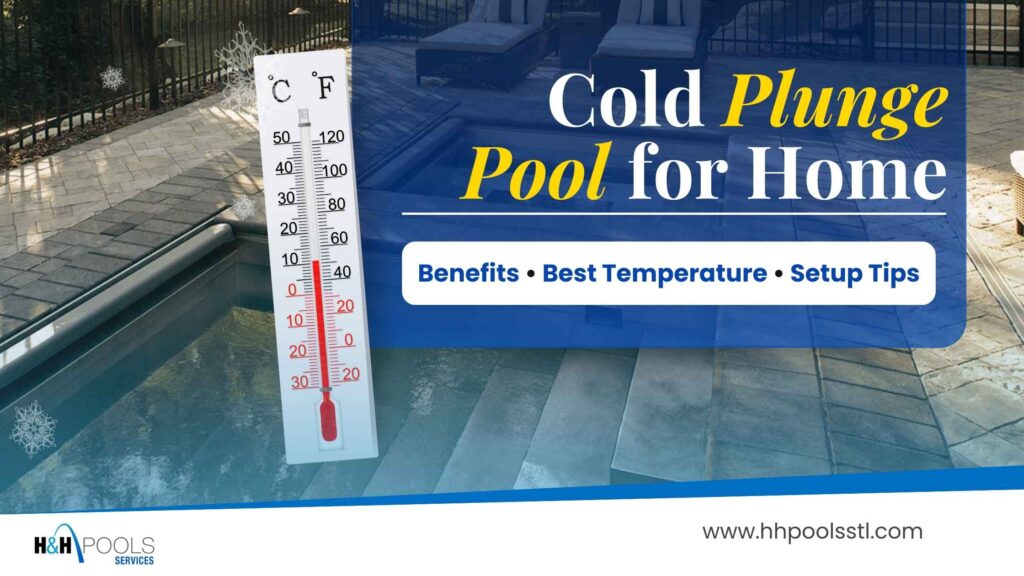
Cold Plunge Pool for Home: Benefits, Best Temperature, and Setup Tips
A cold plunge pool for home can be a smart wellness upgrade when you want quick recovery, better routine consistency, and a simple way to reset at home. However, better results usually come from a safe setup, a manageable water temperature, and short sessions you can repeat consistently.
Most homeowners ask the same questions before they start. What temp should a cold plunge pool be? How long should a session last? And what should you plan before installing one? This guide answers those questions in plain language so you can make a smarter decision before spending money or turning part of your backyard into a plunge area.
Cold Plunge Pool for Home
For most beginners, a cold plunge pool for home should start around 55°F to 60°F, with sessions kept to about 1 to 3 minutes. After that, you can lower the temperature gradually as your comfort improves. In other words, consistency matters more than chasing extreme cold right away.
What Is a Cold Plunge Pool for Home?
A cold plunge pool is a small pool or tub filled with cold water for short, controlled dips. Sometimes it is a simple stock tank or plunge tub. In other cases, it is a built-in feature with circulation, filtration, and temperature control.
Because not every homeowner wants the same level of finish, cold plunge setups usually fall into three categories:
As a result, the right option depends on your budget, available space, and how often you plan to use it.
Who Is a Home Cold Plunge Best For?
A cold plunge can be a good fit for people who want:
That said, cold water is not for everyone. If you have heart concerns, circulation issues, or other medical conditions, talk with a qualified medical professional before starting. For a general health overview, Cleveland Clinic’s guide to cold plunges is a helpful starting point.
Benefits of a Cold Plunge Pool
Muscle recovery after workouts
Many homeowners use cold plunges after weight training, running, sports, or physically demanding work. While results vary, people often say they feel less sore and more refreshed afterward when sessions stay short and controlled.
Energy, focus, and mood support
A brief cold dip can also act like a reset. For that reason, many users say they feel more alert, more focused, and more ready to start the day after a quick plunge.
Better tolerance over time
At first, cold water can feel intense. Over time, though, many people build more comfort with gradual exposure. Instead of forcing extreme temperatures, start with a level you can repeat safely.
What Temp Should a Cold Plunge Pool Be?
Temperature is the biggest beginner question, and for good reason. If the water is too cold too soon, the experience becomes harder to control and much less enjoyable.
Recommended temperature ranges
Use this as a simple guide:
How Long Should You Stay In?
Time matters just as much as temperature. Even when the water feels manageable, longer sessions are not automatically better.
Simple time guidelines
A practical starting point looks like this:
Overall, a short, controlled session is usually more useful than pushing too hard. Once you finish, warm up gradually and pay attention to how you feel afterward.
Signs It Is Too Cold and When to Stop
Stop immediately if you feel:
Cold plunging should feel challenging, but it should never feel unsafe. If you want a reliable emergency reference, Mayo Clinic’s hypothermia first-aid guide explains warning signs and what to do next.
Cold Plunge Pool Temperature Tips
Keeping the water steady is often harder than choosing the starting temperature. Fortunately, a few simple habits make the process much easier.
Chiller vs ice
A water chiller is usually the easiest way to maintain a steady temperature. Although the up-front cost is higher, it gives you better control and less daily hassle.
Ice can still work for occasional use. However, it comes with a few downsides:
So, if you want a routine you can actually stick with, a chiller is usually the more practical option.
Outdoor temperature and shade matter
If your plunge sits outdoors, weather will affect performance. For example, hot summer days can warm the water quickly, while cold winter weather can overcool it. Shade, insulation, and wind exposure all make a difference too.
That matters even more in the St. Louis area, where weather can shift fast from week to week. Therefore, outdoor placement deserves more planning than many homeowners expect.
Use a simple thermometer
Do not guess the water temperature. Instead, use a floating thermometer or digital probe and make small adjustments over time. That single habit makes the routine safer and more consistent.
Cold Plunge Pool for Home Setup Tips
Before you buy equipment or pour concrete, think through the setup. A better plan now can save money, reduce frustration, and help you use the plunge more often.
Pick the right location
Choose a spot that is:
If you want the plunge to feel like part of a complete backyard experience, it should also work with the surrounding patio, seating, and traffic flow. That is why many homeowners plan it alongside a broader outdoor living pool & patio layout instead of treating it like a standalone add-on.
Plan for power and water
Depending on your setup, you may need:
Because of that, it is smart to think through utility access before choosing the final location.
Do not skip safety basics
Even a small plunge needs a safe perimeter. Plan for a non-slip surface, good lighting, a cover to keep out debris, and a step-in area that does not become slick or awkward. For general backyard water safety reminders, the CDC’s pool safety guidance is worth reviewing.
Cold Plunge Pool Setup Options
Some homeowners want the most affordable starting point. Others want a premium feature that matches the rest of the property. Both routes can work when the expectations are clear.
Stock tank or plunge tub
This is often the easiest place to start. In most cases, it offers:
This is often the easiest place to start. In most cases, it offers:
Built-in plunge pool
A built-in plunge usually looks better, feels more permanent, and blends more naturally with the backyard. It also makes sense when you want the plunge to match your patio, hardscape, or future entertaining space.
If you are planning a higher-end installation, ideas from H&H’s custom pool design and construction work can help you think through layout, materials, and finish level before committing to a final design.
Combo setup near a spa or sauna
Some homeowners prefer contrast therapy and place a cold plunge near a hot tub or sauna. When space allows, that combination can turn a simple plunge into a more complete backyard wellness zone.
This can be a premium backyard wellness zone if space allows.
Cold Plunge Pool Care and Maintenance
A cold plunge still needs regular care. Otherwise, the water can get cloudy, dirty, or unpleasant much faster than expected.
Filtration and circulation basics
If the plunge includes circulation, water usually stays cleaner longer. In addition, good circulation can reduce how often full water changes are needed.
Water changes and cleaning schedule
Small cold plunge systems can still develop leaks, especially around fittings, plumbing connections, or aging components. If water loss seems unusual, do not ignore it. Instead, have it checked early with professional leak detection.
When to Call a Pro for Cold Plunge Pool Setup
Some setups are simple enough for a basic DIY approach. Others should involve professional planning from the beginning.
Electrical and plumbing work
If you are adding a chiller, pumps, dedicated electrical, or permanent plumbing, it is smart to use a professional to keep everything safe and code-compliant.
Drainage and pad prep
Poor drainage can create muddy areas, slippery walkways, and water pooling near the house. Likewise, a weak base can lead to shifting or uneven support over time.
Built-in finish and backyard integration
If you want the plunge to look polished and feel like part of the property, expert planning becomes even more valuable. H&H’s pool renovation and remodeling work is especially relevant when the project includes concrete, decking, drainage, finish upgrades, or integration with the rest of the backyard.
Full-Service Pool Care You Can Count On
Homeowners usually do not just want a cold tub in the corner. More often, they want a setup that is clean, safe, easy to maintain, and designed to fit the rest of the yard.
That is where planning matters. At H&H Pools, we help St. Louis-area homeowners think beyond the plunge itself. Whether you are considering a basic setup or a more polished installation, the goal should be the same: build something you will actually use, enjoy, and maintain the right way.
Ready to install? Our guide to cold plunge tub installation in St. Louis walks through choosing the right unit, placement, and cost.