Cold Plunge Pool for Home: Benefits, Best Temperature, and Setup Tips
A cold plunge pool for home can be a great upgrade if you want quick recovery, better energy, and a simple wellness routine you can do anytime. Most homeowners have the same questions: What temperature should it be? Is it safe? And what do I need to set it up correctly?
This guide gives clear, practical answers using easy-to-understand steps.
Cold Plunge Pool for Home
A cold plunge pool is a small pool or tub filled with cold water used for short, controlled cold dips. For most beginners, starting warmer and building a routine is safer than going as cold as possible on day one.
What a cold plunge pool is (simple definition)
A cold plunge pool is usually a:
- 1
plunge tub or tank (simple setup), or
- 2
small built-in pool (premium setup),
designed for short dips, often 1–5 minutes, depending on temperature and comfort.
Who it’s best for (and who should avoid it)
A cold plunge can be a good fit for people who want:
- 1
muscle recovery after workouts
- 2
a daily energy boost
- 3
a simple routine at home
Safety note: If you have heart conditions, circulation issues, or are pregnant, talk to a medical professional before starting cold plunges.
How to start safely as a beginner
Start Simple:
- 1
Begin with a milder temperature
- 2
Keep sessions short
- 3
Focus on consistency, not extremes
Benefits of a Cold Plunge Pool (What Most People Notice First)
Cold water can help you feel less sore by reducing the heavy feeling in muscles after training or long workdays. Many people use cold plunges after:
Energy, focus, and mood support
A short cold plunge often creates a quick wake-up effect. People commonly say they feel:
Better tolerance to cold over time
As you practice, many people notice cold exposure feels easier. The key is gradual progress.
What Temp Should a Cold Plunge Pool Be?
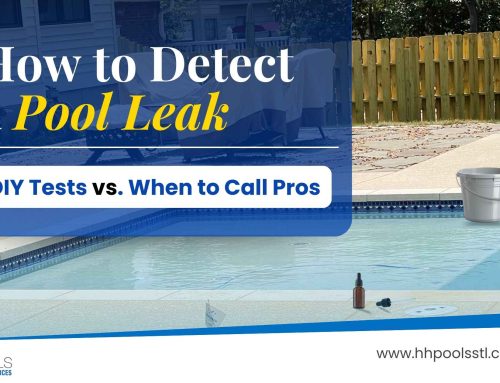
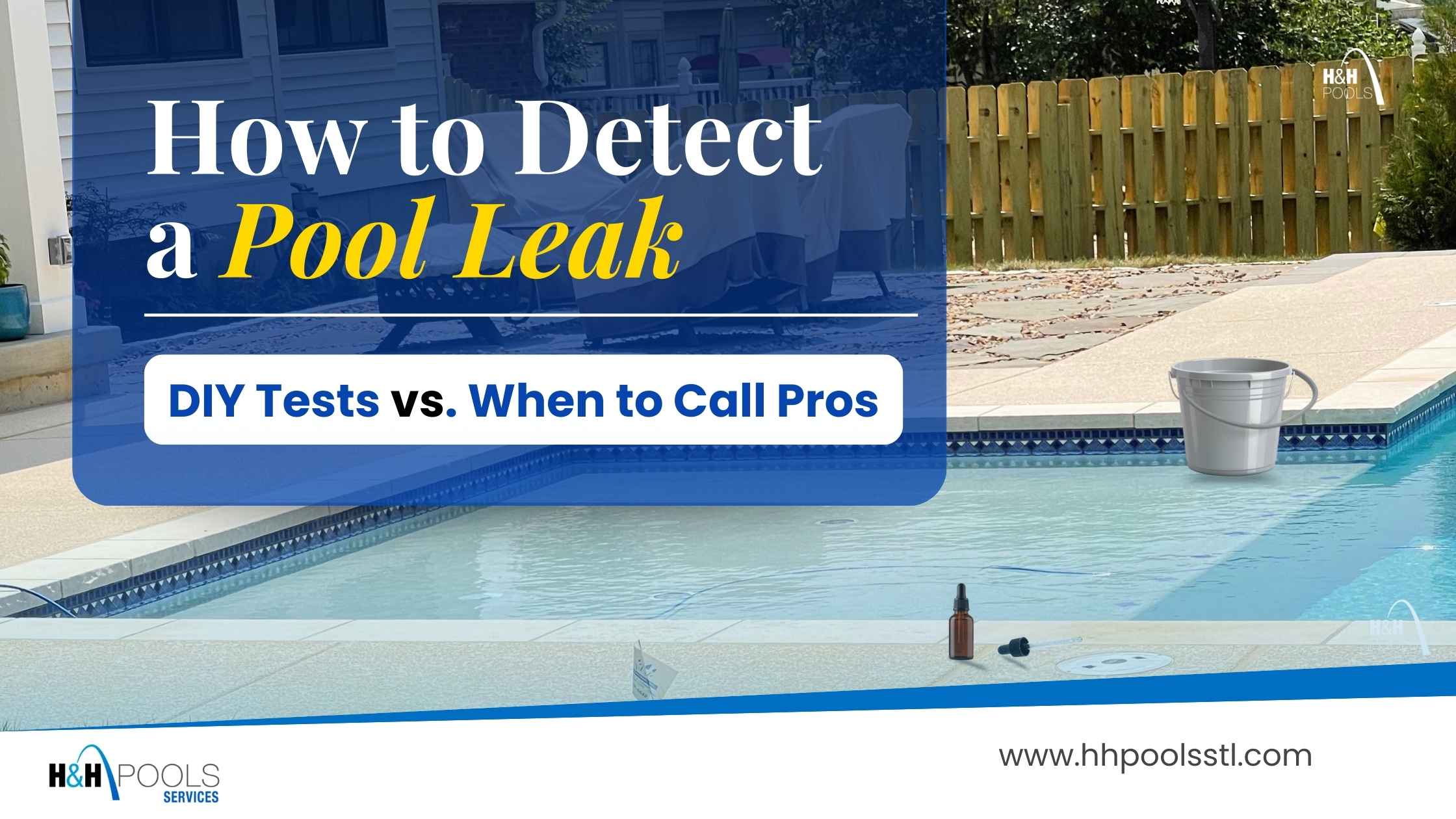
If DIY tests confirm water loss but you cannot locate the source (or the loss changes with pump ON/OFF), swimming pool leak detection services are often the smartest next step.
Recommended temperature ranges (beginner to experienced)
Use this as a simple guide:
If you are asking, “what temp should a cold plunge pool be?” starting warmer and adjusting colder over time is the safest approach.
How long to stay in (simple time guidelines)
A simple starting point:
Short, consistent sessions work better than pushing too hard.
Signs it’s too cold and when to stop
Stop if you feel:
Cold plunges should feel challenging, not dangerous.
Cold Plunge Pool Temperature Tips (How to Keep It Consistent)
The easiest way to keep a steady temperature is using a chiller. Ice works, but it is harder to control and can get expensive or inconvenient.
Chiller vs ice (pros and cons)
Chiller (more consistent):
Chiller (more consistent):
Outdoor temperature and season changes
If your cold plunge is outdoors:
Simple tools to monitor temperature
Keep it easy:
Cold Plunge Pool for Home Setup Tips (What to Plan Before Installing)
The most important setup items are location, drainage, and access to power and water.
Picking the right location (privacy, access, drainage)
Choose a spot that is:
Tip: Avoid placing it where water runoff can pool near the foundation or create slippery walkways.
Power and water needs (basic planning)
Depending on your setup, you may need:
If you’re already planning a broader backyard upgrade, you can also explore custom outdoor living spaces to integrate the plunge area cleanly.
Safety basics (slip protection, cover, lighting)
Plan these early:
Cold Plunge Pool Setup Options (Simple to Premium)
You can start with a basic plunge tub or build a premium plunge pool. The best option depends on your space, budget, and how often you will use it.
Stock tank / plunge tub (basic setup)
This is the easiest way to start:
Built-in plunge pool (higher-end option)
A built-in plunge pool can be:
For a higher-end install, many homeowners treat this like a small custom project similar to custom pools, just on a smaller scale.
This option often needs more planning for drainage, electrical, plumbing, and finishes.
Combo setups (hot tub + cold plunge space)
Some homeowners create a contrast setup:
This can be a premium backyard wellness zone if space allows.
Cold Plunge Pool Care and Maintenance (Keep It Clean and Usable)
Clean water matters. Most problems come from poor filtration, infrequent water changes, and not keeping a cover on the plunge.
Filtration and water circulation basics
If the plunge has circulation:
The goal is to avoid stagnant water.
Water changes and cleaning schedule
A simple approach:
For a higher-end install, many homeowners treat this like a small custom project similar to custom pools, just on a smaller scale.
This option often needs more planning for drainage, electrical, plumbing, and finishes.
Basic water balance (simple and non-technical)
Keep it simple:
A cover and basic filtration help a lot.
If you want help keeping a consistent routine, consider a plan similar to pool maintenance standards (regular checks, clean water, and simple upkeep).
When to Call a Pro for Cold Plunge Pool Setup
Call a pro when your setup needs safe electrical, proper drainage, stable base prep, or a premium built-in finish.
When electrical/plumbing needs a professional
If you are adding a chiller, pumps, dedicated electrical, or permanent plumbing, it is smart to use a professional to keep everything safe and code-compliant.
When drainage and pad prep matter
Bad drainage can create soggy areas, slippery zones, and water pooling near the home. A pro can help plan placement and base prep so it lasts.
When you want a built-in, premium finish
If you want the cold plunge to match your backyard design with decking or hardscaping, a professional install can save time and prevent expensive mistakes.
Full-Service Pool Care You Can Count On
Along with repairs, we also provide complete pool service in St. Louis. This includes weekly cleaning, water testing, and routine equipment inspections. Many homeowners appreciate having one reliable team handle both pool maintenance and repairs in one place.
Not sure who to trust with your pool? Take a look at reviews from St. Louis homeowners who rely on HHPOOLSSTL to keep their pools clean and running smoothly.
Schedule Pool Equipment Repair in St. Louis
Our experienced and responsive team is ready to help resolve equipment issues before they turn into bigger problems. Contact us today to schedule a service visit or to learn more about your repair options.