How Can Pool Pump Freeze Protection Prevent Costly Winter Damage?
Pool pump freeze protection helps prevent expensive damage when winter temperatures drop below freezing. Water trapped inside your pool pump can turn into ice and expand. This can crack the pump, damage nearby pipes, and lead to costly repairs. Preparing your pool before freezing weather arrives can help you avoid these problems.
For St. Louis homeowners, November is a good time to check pool equipment. Even if you have already closed your pool, it is worth checking for signs of damage. A few simple steps now can help protect your pool and make spring opening easier.
Why Is Pool Pump Freeze Protection Important?
Your pool pump moves water through the pool and its equipment. However, freezing weather can damage the pump when water remains trapped inside.
As water freezes, it expands and puts pressure on the surrounding parts. This pressure can cause cracks, leaks, and other damage.
Some problems may not appear until spring. For example, your pump may look fine during winter but leak when you reopen the pool.
Common signs of damage include:
Preparing your pump before winter helps reduce these risks.
What Happens to Your Pool Pump During Freezing Weather?
Freezing temperatures can cause serious problems when water stays inside the pump.
As the water turns into ice, it takes up more space. The expanding ice can damage the pump and nearby parts.
The damage may not always be visible right away.
For example, a small crack may appear during winter. When you reopen your pool, water may begin leaking through the damaged area.
If you suspect that your pump has frozen, do not turn it on. Have a pool professional check it first.
How Can You Protect Your Pool From Freezing?
Learning how to protect your pool from freezing starts with preparing it before cold weather arrives.
You do not need to understand every part of your pool equipment. However, knowing what to check can help you avoid common winter problems.
1. Inspect Your Pool Equipment
Look around your pump, filter, and visible pipes.
Check for cracks, leaks, or damaged parts. Regular pool maintenance helps homeowners spot equipment problems before freezing weather arrives.
2. Make Sure Your Pool Is Ready for Winter
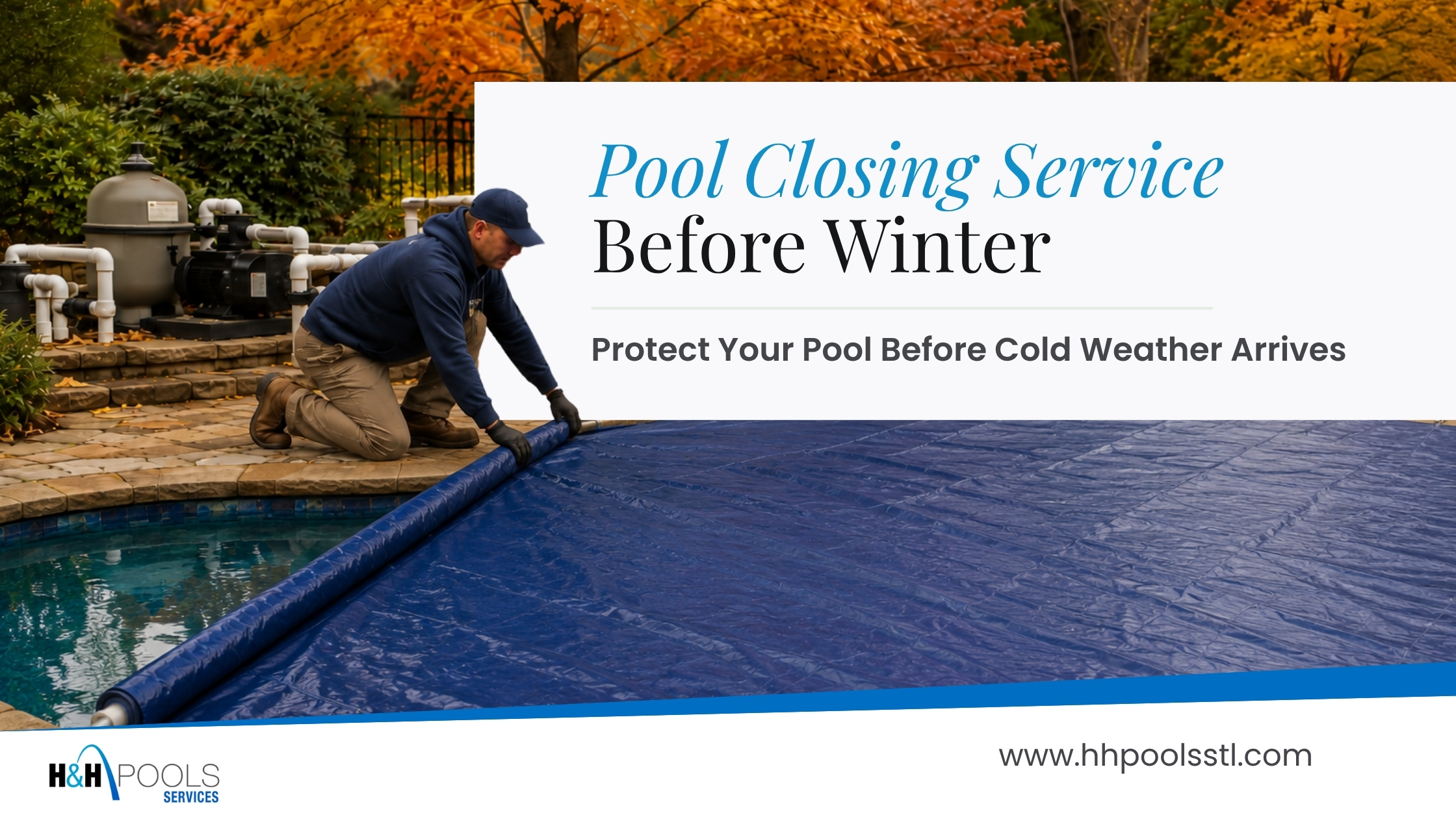
Proper pool closing helps protect equipment from freezing weather.
A professional may remove water from vulnerable equipment, prepare the pipes, and secure the pool cover.
The U.S. Environmental Protection Agency’s home maintenance guidance also recommends draining water from filters, pumps, heaters, and piping before freezing temperatures arrive.
The exact steps depend on your pool and its equipment.
3. Watch the Weather Forecast
St. Louis weather can change quickly during fall and winter.
Pay attention when temperatures approach freezing. If your pool remains open, check that its cold-weather protection works correctly.
4. Avoid Running Frozen Equipment
Never start a pump if you suspect ice has formed inside it.
Running frozen or damaged equipment can make the problem worse.
Instead, contact a professional to inspect the pump.
5. Schedule an Inspection When Necessary
If you are unsure whether your pool was prepared correctly, schedule an inspection.
A professional can check the equipment and identify problems before freezing weather causes more damage.
What Is Pool Freeze Protection?
Pool freeze protection means taking steps to prevent freezing water from damaging your pool.
The right approach depends on whether your pool stays open or closes for winter.
If Your Pool Stays Open
Some pools use settings that help keep water moving during freezing weather.
However, moving water does not guarantee protection during extreme cold. Power outages can also interrupt the system.
Follow the instructions for your pool equipment and ask a professional about the safest settings.
If Your Pool Is Closed
A closed pool usually needs a different approach.
Proper winter preparation often includes removing water from parts that could freeze. It may also involve protecting exposed equipment.
Do not restart equipment that a professional has prepared for winter.
Which Pool Equipment Needs Freeze Protection?
Pool equipment freeze protection involves more than just the pump.
Your pool has several connected parts. Water trapped inside them may cause damage when temperatures fall.
Pool Pump
The pump may hold water after the swimming season ends.
If that water freezes, the expanding ice can damage the pump. Proper preparation helps prevent this problem.
Pool Filter
Your pool filter also needs attention before winter.
Some filters hold water that must be removed before freezing temperatures arrive.
A professional can prepare the filter according to its design.
Pool Pipes
Water can remain inside certain pool pipes.
When it freezes, it may cause cracks or leaks. Proper winter preparation helps protect vulnerable areas.
Pool Heater
Pool heaters may also contain water.
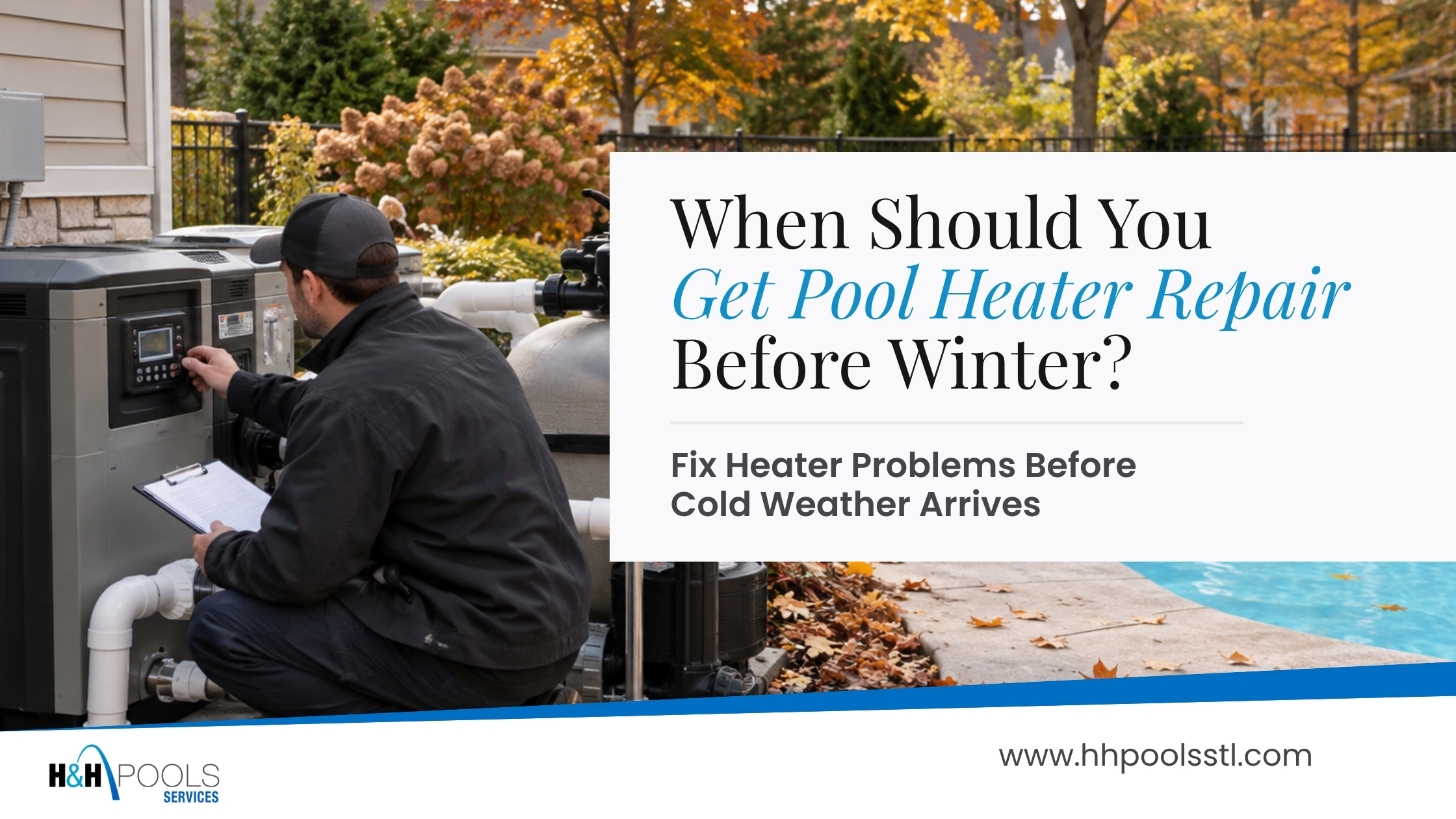
If your pool has a heater, make sure it receives the proper winter care.
Can Winter Pool Maintenance Prevent Expensive Repairs?
Winter pool maintenance helps homeowners notice problems before they become more serious.
Even after closing your pool, occasional checks can help you spot damage.
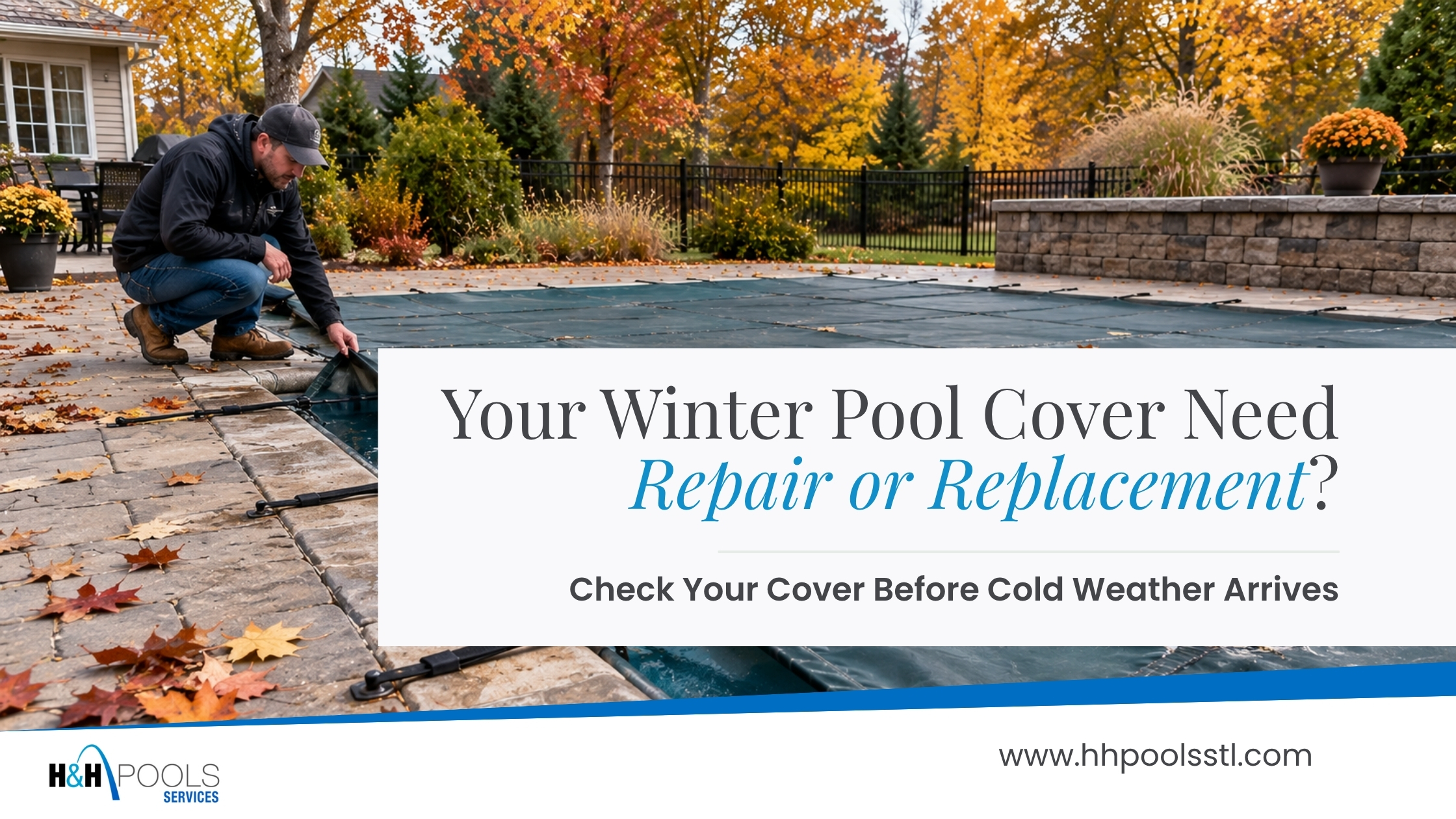
For example, strong winds may loosen the pool cover. Heavy snow or fallen branches may also affect the pool area.
Look for these warning signs:
You can check many visible areas without opening the pool.
The EPA’s pool water efficiency guide also explains how proper pool care and pool covers can help reduce water waste.
If you notice a problem, contact a professional before attempting repairs.
What Are the Signs of Winter Pool Damage?
Some winter damage is easy to spot. Other problems may remain hidden until spring.
Here are several signs that deserve attention.
Cracks Around Equipment
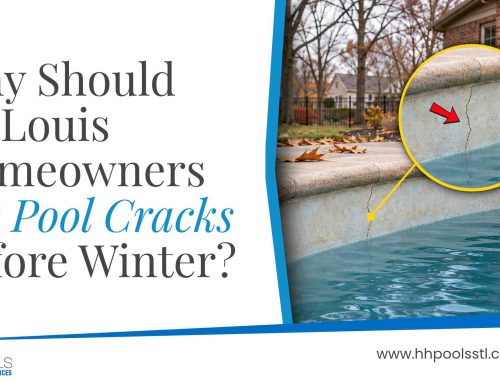
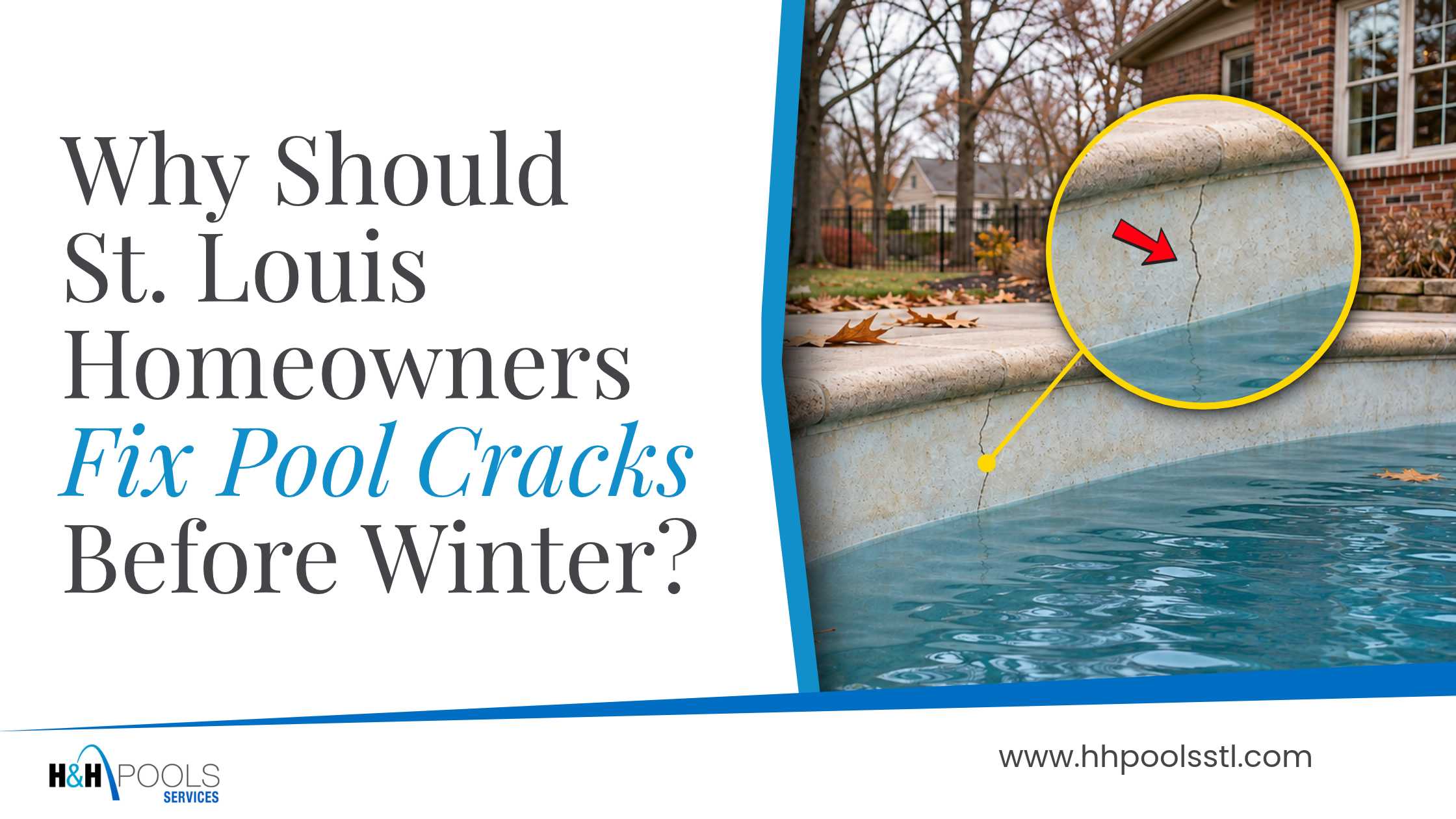
Check visible equipment for cracks or broken parts.
If you find damage, avoid using the equipment until a professional inspects it. Professional pool repair services can help address damaged equipment.
Water Leaks
Water around the pump or nearby pipes may indicate a leak.
Freezing weather is one possible cause, but other problems can also lead to water loss.
If your pool keeps losing water, professional pool leak detection can help identify the cause.
Damaged Pipes
Pipes may crack when trapped water freezes.
If you notice visible damage, contact a professional rather than attempting to restart the equipment.
Equipment That Will Not Start
A pump that fails during spring opening may have suffered winter damage.
However, other issues can also prevent equipment from starting. A professional can identify the cause.
Should You Check Your Pool After a Winter Storm?
Yes. A quick inspection after a winter storm can help you find visible damage.
Strong winds, freezing rain, snow, and falling branches may affect your pool.
After severe weather, check for:
- A loose or damaged pool cover
- Fallen branches or debris
- Visible cracks around equipment
- Water collecting in unusual places
- Damage around the pool area
Always check from a safe location.
Never walk on a covered or frozen pool. Avoid pulling frozen covers or breaking ice around equipment.
If you find damage, ask a professional for help.
How Often Should You Check Your Pool During Winter?
Pool maintenance during winter does not always require daily work.
However, checking your pool occasionally can help you identify problems early.
Consider inspecting the pool after:
You can also check the pool area during your regular outdoor home inspections.
Focus on the cover, visible equipment, and surrounding area. There is no need to restart closed equipment.
Can You Prevent Pool Pump Damage After Closing?
Proper winter preparation can reduce the risk of pump damage.
However, closing your pool does not guarantee that every problem will disappear.
For example, a pump may already have a small crack. Water may also remain inside equipment that needs additional preparation.
Freezing temperatures can make these problems worse.
You can also read our guide to pool repairs and winter preparation for more information on protecting your pool before cold weather arrives.
If you suspect improper closing or notice damage, schedule an inspection.
Addressing concerns early may help you avoid larger repairs later.
What Winter Pool Care Mistakes Should You Avoid?
Some common mistakes can increase the risk of winter damage.
Ignoring Small Leaks
Small leaks can signal equipment problems.
Have them checked before they become more serious.
Assuming Every Pool Needs the Same Care
Pools have different equipment and winter preparation needs.
Follow the instructions for your pool instead of using advice meant for another system.
Starting Frozen Equipment
Do not force a frozen pump to operate.
A professional should inspect it before you restart the system.
Forgetting About the Pool
A closed pool still needs occasional attention.
Check the cover and visible equipment after severe weather.
Waiting Until Spring to Address Damage
If you notice cracks, leaks, or broken parts, do not ignore them.
Early inspections can help you plan repairs before the swimming season returns.
Storing Pool Chemicals Incorrectly
Keep pool chemicals in a safe, dry place and follow the instructions on their labels.
The CDC’s pool chemical safety guidelines explain how to handle and store pool chemicals safely.
Why Is November a Good Time to Check Your Pool in St. Louis?
November gives St. Louis homeowners a chance to review their pool’s winter condition.
By this time, many homeowners have already closed their pools. However, colder weather may reveal problems that were easy to miss earlier.
A November inspection can help identify:
- Damaged pool equipment
- Possible leaks
- Loose or damaged covers
- Exposed parts that need attention
- Signs of wear around the pool
Finding these problems before prolonged freezing weather can help reduce the risk of additional damage.
It also gives you more time to plan repairs before spring.
Can Winter Pool Care Make Spring Opening Easier?
Winter pool care can help make spring opening less stressful.
Regular checks allow homeowners to notice visible problems before swimming season returns.
For example, checking the cover after storms helps you spot loose areas and debris. Addressing equipment concerns early may also reduce delays when reopening.
Good winter care cannot prevent every problem. However, it helps you stay prepared and avoid unnecessary surprises.
When Should You Call a Pool Professional?
Contact a pool professional when you notice cracks, leaks, damaged equipment, or unusual changes around your pool.
Professional help is also useful if you are unsure whether your pump received proper winter protection.
A professional can inspect the equipment, explain the problem, and recommend the next steps.
For St. Louis homeowners, early inspections can help protect pool equipment before severe winter weather arrives.
H&H Pools provides pool maintenance, repairs, and other pool services throughout the St. Louis area.
If you need help preparing your pool for winter, contact H&H Pools to discuss your concerns.