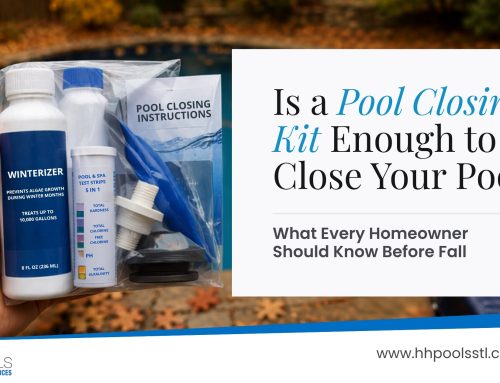
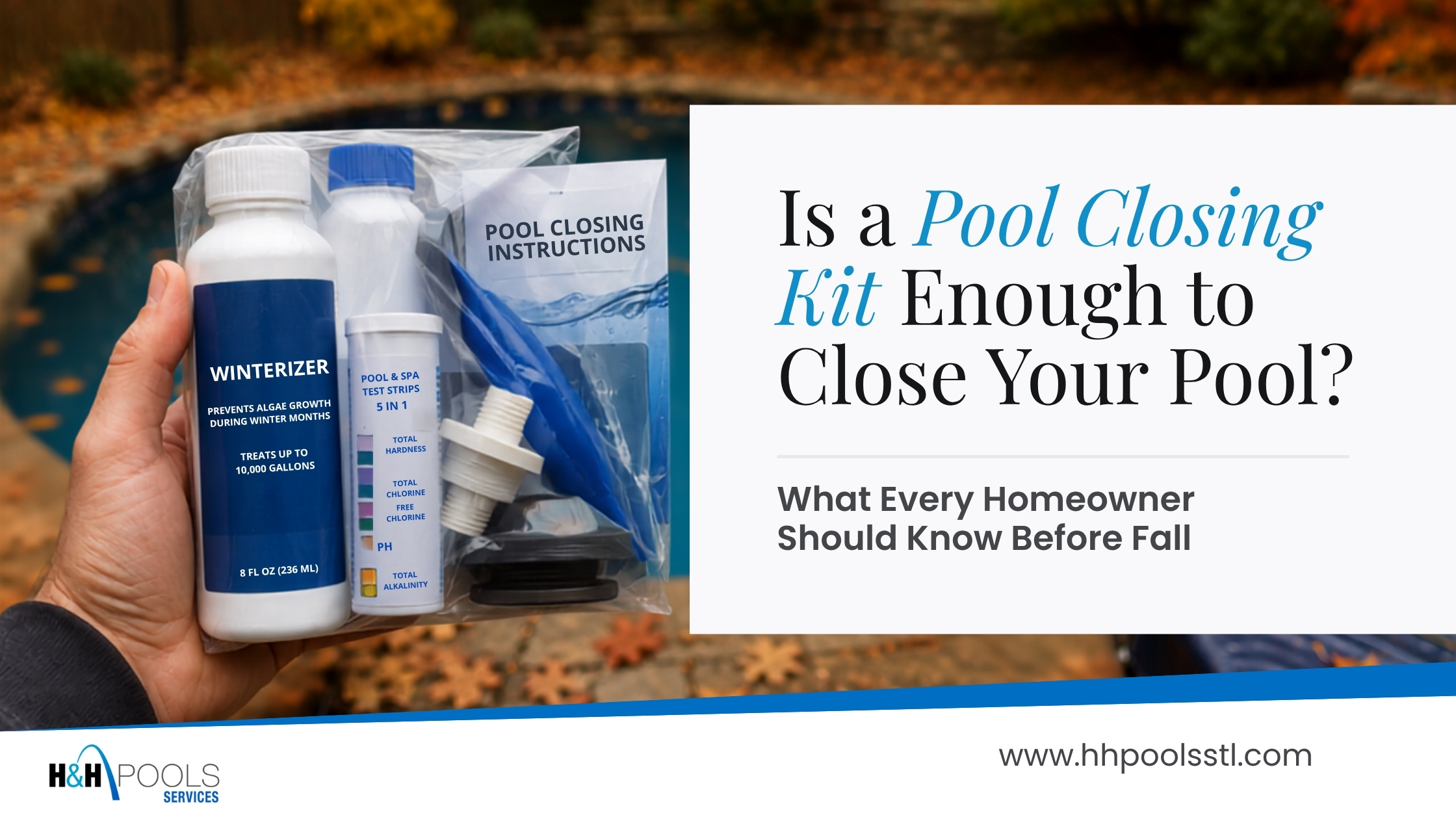
What Does a Pool Closing Service Include Before Winter?
Pool closing service helps prepare your pool for the colder months by cleaning the pool, checking the equipment, protecting the water, and making sure everything is ready for winter. Scheduling a pool closing service before temperatures drop can help reduce spring cleanup and lower the risk of expensive repairs.
As summer comes to an end, many homeowners begin thinking about how to protect their pool until next year. While it may be tempting to wait until the weather gets colder, preparing your pool early can help prevent avoidable problems during the off-season. Scheduling professional pool maintenance before closing day can help make sure the water and pool area are ready.
Why Is a Pool Closing Service Important?
Pool closing service is one of the best ways to protect your pool before winter arrives.
During the fall, leaves, dirt, rain, and colder temperatures can affect your pool if it is left open too long. By closing the pool at the right time, you can help protect both the water and the equipment throughout the colder months.
A professional pool closing service can help:
Preparing early also gives homeowners more flexibility before the busiest closing season begins. The Pool & Hot Tub Alliance provides a helpful guide to winterizing an inground pool and protecting it from cold-weather damage.
What Is Included in a Pool Closing Service?
Pool closing service includes several important steps that help prepare your pool for the months ahead.
Although every pool is different, most services include checking the pool, cleaning it, and preparing it for colder weather.
A typical pool closing service may include:
These steps help protect your investment until the swimming season returns. If the inspection finds damaged surfaces, worn finishes, or other concerns, pool renovation and remodeling may be worth planning before the next swimming season.
Why Should You Winterize a Pool?
Pool closing service often includes steps to winterize pool equipment and water before freezing temperatures arrive.
Winterizing your pool helps reduce the chance of damage while the pool is not being used.
Benefits of winterizing include:
Many homeowners choose to winterize their pool before the first cold weather arrives instead of waiting until later in the season.
How Does Winter Pool Maintenance Help?
Pool closing service does not end after the pool is closed. Simple winter pool maintenance can help keep your pool in better condition throughout the off-season.
Checking the pool occasionally during winter allows homeowners to spot small issues before they become larger problems.
Winter pool maintenance may include:
A few simple checks during winter can make spring opening much easier. The EPA also provides pool water efficiency tips that can help homeowners reduce unnecessary water loss.
Why Is a Pool Closing Checklist Helpful?
Pool closing service follows many of the same steps found in a pool closing checklist.
Using a checklist helps make sure important tasks are not forgotten before winter arrives.
A simple checklist may include:
Following these steps helps homeowners feel more confident that their pool is ready for the colder months.
Why Is Pool Equipment Inspection Important?
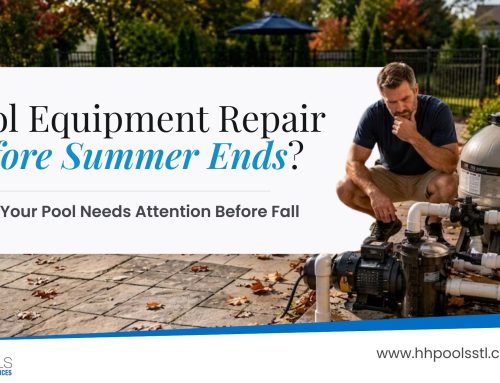
Pool closing service usually includes a pool equipment inspection before the pool is closed.
Finding small problems before winter can help prevent larger repairs later.
During an inspection, professionals may check:
If problems are found early, homeowners often have more time to arrange pool repair in St. Louis before spring.
Why Does the Right Pool Cover Matter?
Pool closing service is more effective when paired with the right pool cover for winter.
A properly fitted cover helps protect the pool from leaves, dirt, rain, and other debris during the off-season.
A winter pool cover may help:
Checking the condition of your cover before winter is just as important as preparing the pool itself.
When Should You Schedule a Pool Closing Service?
Pool closing service should be scheduled before colder weather arrives and before pool companies become fully booked.
Many homeowners wait until the last minute, but scheduling early often provides more appointment options and allows time to address any problems found during the inspection.
You should consider scheduling your pool closing service if:
Planning ahead can make the transition from summer to winter much less stressful. H&H Pools serves homeowners throughout its St. Louis pool service areas.
Can Professional Pool Closing Save Money?
Pool closing service may seem like an added expense, but it can help homeowners avoid larger repair costs later.
Small issues that go unnoticed before winter may become more expensive by the time spring arrives.
Professional service can help:
If your pool has been losing water, scheduling pool leak detection before closing can help uncover the cause before winter.
For many homeowners, preventing one major repair is worth more than the cost of seasonal service.